
Key Takeaways
Dividend aristocrats like Johnson & Johnson, Procter & Gamble, and Coca-Cola deliver impressive dividend growth thanks to their dominant market positions and dependable business models.
Companies with diverse product portfolios and global reach, such as 3M Company and McDonald’s, continue paying dividends even during economic transitions.
Strategic acquisitions and innovation play critical supporting roles in dividend sustainability and revenue growth among top aristocrats.
Economic moats and brand loyalty enable companies like Colgate-Palmolive and PepsiCo to maintain consistent dividend increases over decades.
Smart investors evaluate a company’s financial health, payout ratio, and adaptability to market changes when selecting dividend aristocrats for long-term investment.
Understanding Dividend Aristocrats
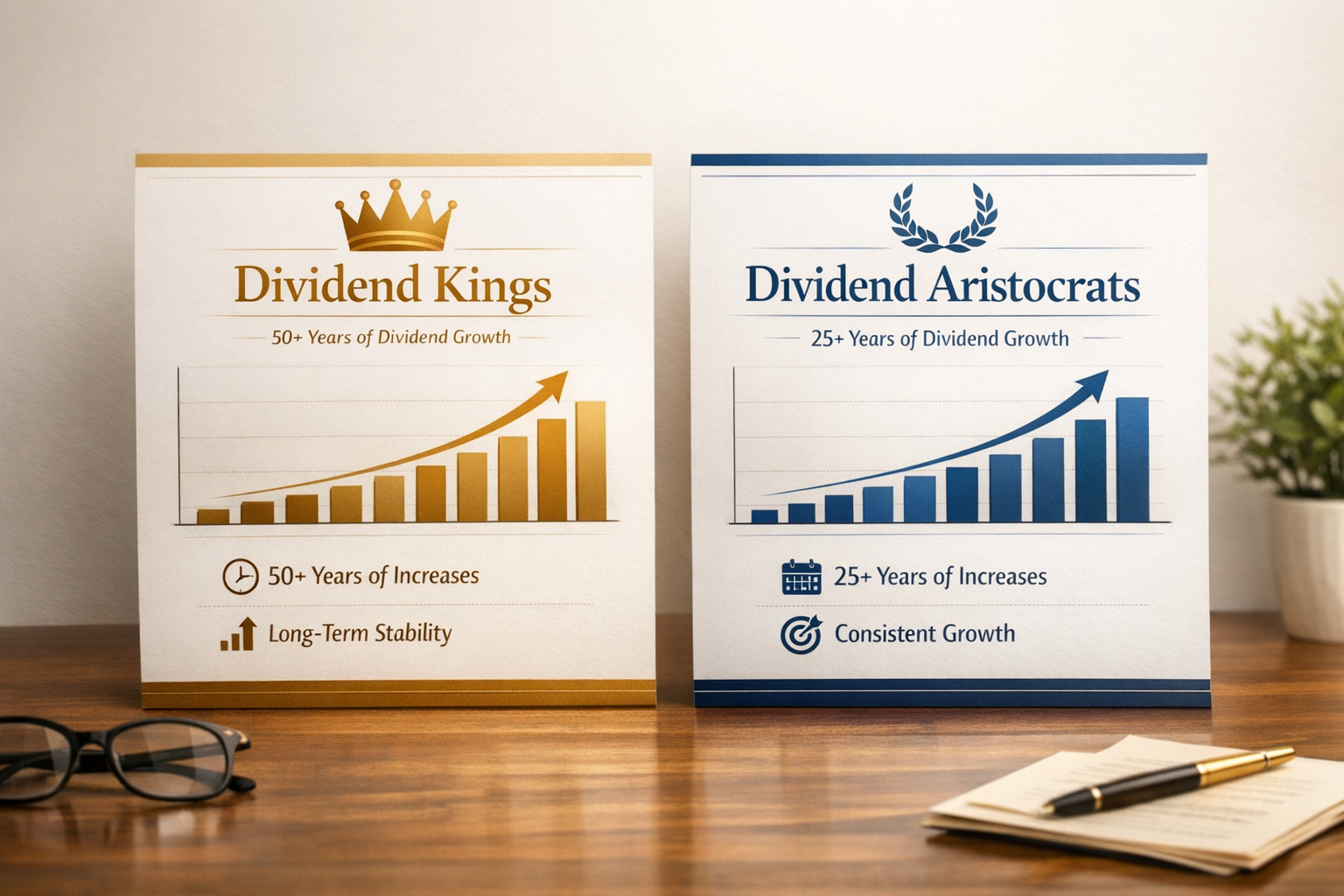
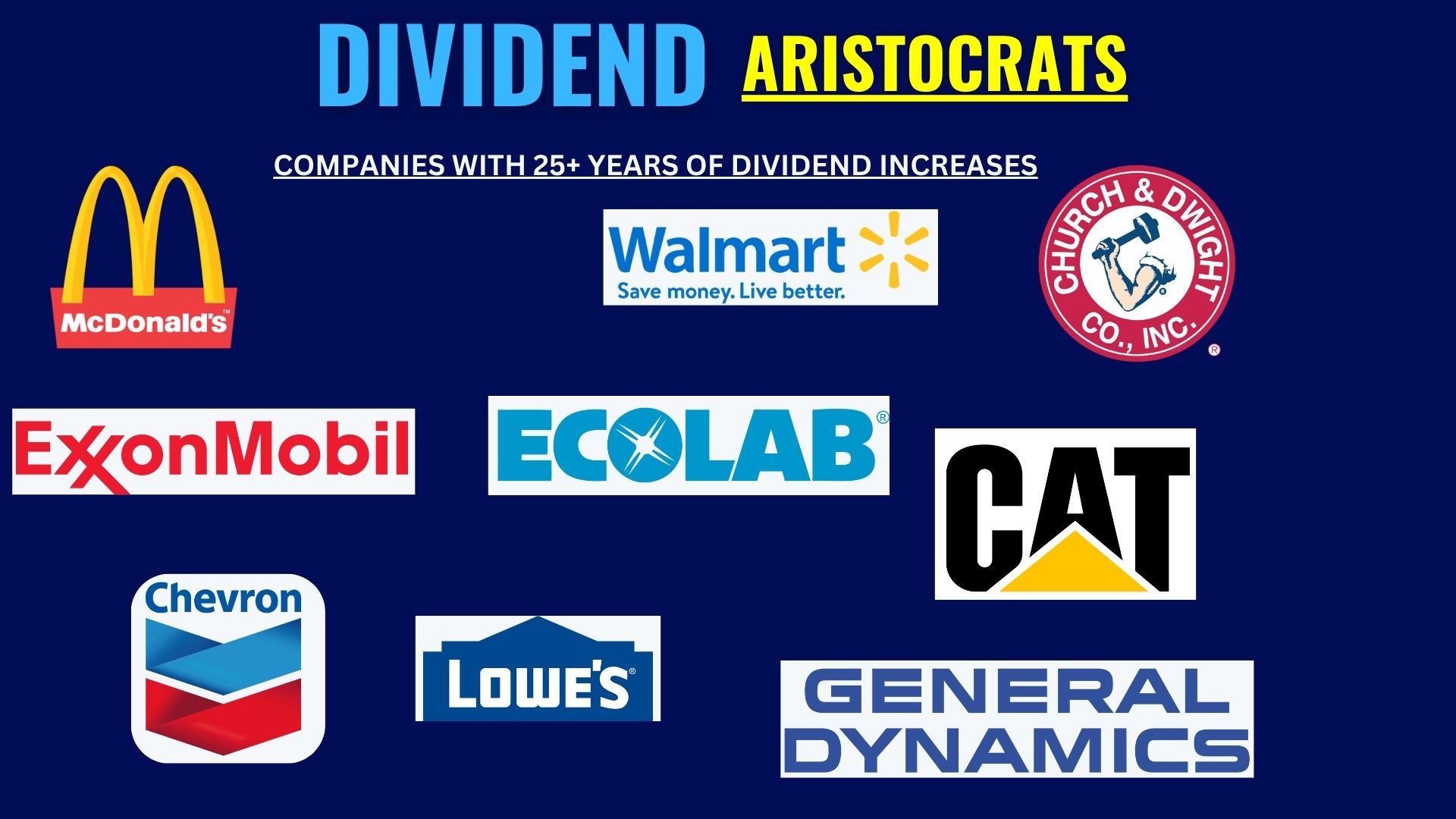
Dividend aristocrats ranked by quality identify S&P 500 companies that have increased payouts for over 25 consecutive years, ranked by metrics including financial health, payout stability, and business resilience.
Quality rankings consider factors such as:
- Balance sheet strength
- Consistent earnings performance
- Transparent histories of long-term growth
- Sustainable payout ratios
Names like Procter & Gamble, Johnson & Johnson, and McDonald’s consistently appear near the top of these rankings.
Dividend Aristocrat Stock #1: Johnson & Johnson (NYSE: JNJ)
Unmatched Dividend Growth Record
J&J’s dividend growth streak is unparalleled. For more than 62 consecutive years, the company has boosted its dividend payout—among the longest streaks in the world.
Key Metrics:
- Dividend Yield: 3.1%
- Market Cap: $384 billion
- 2023 Revenue: $88.8 billion (up 4.3% year-over-year)
- Adjusted EPS: $9.98
- Projected EPS Growth: 6% annually over the next five years
- Credit Rating: AAA from Standard & Poor’s (one of only two U.S. companies)
- Dividend Growth Streak: 62+ years
This dependability attracts income-focused investors. Johnson & Johnson maintained its payout growth momentum even through global recessions, cementing its status as a dividend classic.
Diversified Healthcare Giant
With a market cap of $384 billion, Johnson & Johnson maintains a sturdy position in both pharmaceutical and consumer health sectors. Products appear in homes and hospitals worldwide, from household names like Tylenol and Band-Aid to prescription medications for cancer and immune diseases.
The company’s global reach and continuous innovation in new products support its market dominance. Recent earnings show the payout ratio remains balanced enough to permit future dividend increases without straining earnings.
Wide Economic Moat
Johnson & Johnson’s competitive advantages include:
- Trusted brand names with global recognition
- Massive scale enabling cost efficiencies
- Continued investment in R&D
- Robust new drug and medical device pipeline
- Over 135 years of healthcare experience since 1886
Dividend Aristocrat Stock #2: Procter & Gamble (NYSE: PG)
Deep Portfolio of Consumer Brands
Procter & Gamble’s extensive portfolio of consumer brands contributes significantly to its long dividend history. The company sells products in nearly every household category, from cleaning products to personal care.
Key Metrics:
- Market Cap: Over $313 billion
- Dividend Growth Streak: 50+ years (Dividend King status)
- Global Presence: Operations in 180+ countries
- Dividend Yield: Competitive with other large consumer goods stocks
- Average Annual Dividend Increase: Consistently maintained over decades
Brands like Tide, Pampers, Gillette, and Head & Shoulders reach shoppers at every market level and price point. This diversification reduces risk and maintains steady sales, even when individual product lines experience slower seasons.
Recession-Resistant Business Model
The business operates on commodity items people use daily, so sales typically hold steady regardless of economic conditions. This helps the company continue distributing dividends, even during challenging times.
Operating in more than 180 countries means declines in one region can be offset by consistent demand elsewhere. Through the 2008 financial crisis and more recent global events, P&G maintained and increased its dividend—stability not found in all sectors during market stress.
Strategic Growth Tactics
Several strategies enable P&G to continue growing its dividend:
- Investment in research and product innovation
- Supply chain rationalization
- Regular divestment of weaker brands to focus on winners
- Aggressive moves to maintain robust profits
Dividend Aristocrat Stock #3: Coca-Cola (NYSE: KO)
Key Metrics:
- Market Cap: Over $300 billion
- Global Presence: 200+ countries
- Dividend Yield: Approximately 2.8%
- Dividend Growth Streak: 60 consecutive years
- Recent Expansion: 250,000 new retail outlets and 600,000 coolers added last year
- Cash Flow from Operations: $6.8 billion (after 41% reduction from one-time IRS tax payment)
- Free Cash Flow: $4.7 billion
- Historical EPS Growth (2007-2010): 36%
- Projected Forward Growth: 7% annually
Coca-Cola is notable for its rock-solid brand loyalty that tends to keep its revenue flat from year to year. With so many people globally grabbing a Coke product as routine, it keeps the company grounded even when fads and fashions come and go. With distribution in over 200 countries and a valuation of more than $300 billion, we encounter Coca-Cola on shelves from megalopolises to tiny outposts.
Its brand and global reach give it a formidable advantage and rivals can’t come close to matching its scale or recognition. Take, for instance, the fact that it has added 250,000 new retail outlets and 600,000 coolers in the last year, which is evidence of the company’s persistent drive to reach consumers and keep its products accessible.
Taking a page from Coca-Cola’s growth strategy, it’s made some savvy acquisitions over the years. Acquisitions such as Costa Coffee and Honest Tea have allowed Coca-Cola to reach new markets, bolstering its capacity to continue paying and even growing its dividend. These moves assist the company in adjusting to what individuals desire to drink and to stay current with new trends in the beverage sphere.
Even with a huge one-time IRS tax payment slicing its cash flow from operations by 41% to $6.8 billion, Coke still managed to generate $4.7 billion in free cash. This robust cash flow generation helps keep its dividend secure as it expands into new markets and products.
On the dividend yield front, Coke yields approximately 2.8%, which is stout for dividend aristocrats. This yield might not be the most enormous, but it brings with it a long history of security. The firm has increased its payment for 60 years consecutively, which means a firm hand at the tiller.
Relative to the rest of the group, Coca-Cola’s blend of yield and consistency appeals to those who desire income and a good night’s sleep. If you’re in the market for a real-world example, $10,000 invested in Coca-Cola stock today would return $280 per year in dividend payments before taxes or broker fees.
Naturally, Coca-Cola has some challenges. Shifting preferences have most opting for low sugar or non-carbonated drinks. The company responds with a broader portfolio of drinks, such as flavored water and tea, but staying on its growth trajectory is a genuine challenge.
Still, Coca-Cola’s 36% EPS growth from 2007 to 2010 and projected 7% growth forward demonstrate that the business can pivot and prosper, even as the beverage landscape changes.
Dividend Aristocrat Stock #4: 3M Company (NYSE: MMM)
Extensive Product Diversification
3M stands out for its wide diversification across products, fueling consistent profits year after year. The company unites over 60,000 products, from medical supplies and N95 masks to adhesives and industrial tapes.
Key Metrics:
- Product Portfolio: 60,000+ products
- Business Segments: Safety, Transportation, Healthcare, Consumer Goods
- Dividend Growth Streak: 60+ years
- Average Annual Dividend Increase (Last Decade): Approximately 8%
- Global Operations: Multiple international segments
With presence in home, healthcare, and electronics markets, 3M’s reach is international. Each segment leverages different business cycles, so demand in one can offset slow periods in another.
Balanced Business Model
3M doesn’t rely on a single business line. Operating across safety, transportation, healthcare, and consumer goods means a downturn in one segment rarely threatens the entire company. When factory demand declines, healthcare typically maintains bottom-line contributions.
This equilibrium allows 3M to stick to its traditional dividend policies. Reliable cash flow from multiple sources provides more flexibility to continue increasing payments even during challenging periods.
Risk Considerations
3M faces challenges including:
- Legal issues concerning environmental matters and product safety
- Global trade shifts
- Supply chain disruptions
While the business model is solid, external forces can impact future dividends. Investors should monitor how the company manages these risks.
Dividend Aristocrat Stock #5: McDonald’s (NYSE: MCD)
Massive Global Footprint
McDonald’s maintains an enormous footprint with approximately 39,000 outlets across more than 100 countries. This robust global presence drives consistent transaction volume and allows the company to ride out economic fluctuations.
Key Metrics:
- Global Locations: 39,000+ restaurants in 100+ countries
- Dividend Growth Streak: 50 consecutive years
- Global Systemwide Sales (2024): Over $130 billion
- Loyalty Member Sales Growth (2024): 30% increase
- Average P/E Ratio (Last Decade): 22
- Recent Comparable Sales Growth: 0.4% (with mixed regional performance)
While some markets encounter obstacles, others contribute to balance the figures, maintaining dependable cash flow. Strong performance in Europe, Asia, and other regions offsets slower growth in mature markets like the United States.
Franchise-Driven Profitability
Moving to more franchise-operated locations has helped trim expenses, even with revenue below the $28 billion peak in 2013. This shift has improved profit margins significantly.
Innovations include:
- Digital ordering systems
- New menu items
- Aggressive loyalty programs
These adaptations keep McDonald’s relevant and earnings steady, even as consumer trends evolve.
Investor Rewards
McDonald’s has raised its dividend for 50 years in a row, demonstrating a long-term commitment to returning cash to shareholders. This track record, combined with consistent, stable payouts, supports its reputation as a premier dividend player.
Dividend Aristocrat Stock #6: PepsiCo (NASDAQ: PEP)
Snacking and Beverage Synergy
PepsiCo’s combination of snacking and beverage operations provides exceptional stability for dividend sustainability. With snacks like Lay’s and Doritos paired with drinks such as Pepsi and Gatorade, the company spreads risk across different tastes and markets.
Key Metrics:
- Market Cap: Over $200 billion
- Global Presence: Operations in 200+ countries
- Dividend Yield: Approximately 2.7%
- Dividend Growth Streak: 25+ years (Dividend Aristocrat)
- Company History: Since 1893
- Product Mix: Balanced between beverages and snacks
When one sector slows, the other frequently fills the gap. Consistent snack sales in North America can offset beverage sales variations in other regions, demonstrating the company’s resilience.
Innovation and Adaptation
PepsiCo continuously rolls out new initiatives to enhance shareholder value:
- Expansion into healthier snack options
- Low-sugar beverage alternatives
- Reduced plastic packaging initiatives
- Baked snack varieties
These efforts keep the company aligned with customer preferences and costs under control, ensuring PepsiCo can continue paying and increasing its dividend over time.
Competitive Positioning
Despite intense competition in the food and beverage sector, PepsiCo maintains its position through:
- Strong global brands
- Efficient supply chains
- Broad product mix
- Ability to pivot with market trends
Dividend Aristocrat Stock #7: Colgate-Palmolive (NYSE: CL)
Dominant Market Position
Colgate-Palmolive’s stellar brand equity in consumer products, especially oral care, sets it apart. The company is the global leader with commanding market shares.
Key Metrics:
- Toothpaste Market Share: 41.4% globally
- Manual Toothbrush Market Share: 32.2% globally
- Projected Dividend Payout Ratio (2025): 54%
- Product Categories: Oral care, personal care, home cleaning, pet food
- Company History: Dating back to William Colgate’s New York City business
Famous brands like Colgate toothpaste and Palmolive soap demonstrate the company’s global household penetration.
Sustainable Dividend Structure
Colgate-Palmolive’s dividend growth history matches its consistent earnings. The company maintains a well-managed payout ratio, ensuring dividends remain sustainable.
For 2025, the anticipated 54% payout ratio indicates the dividend is well-covered by earnings. Even with flat sales guidance due to foreign exchange fluctuations, the company expects gross profit margins to continue expanding through cost control and efficiency improvements.
Geographic Diversification
Wide international presence is central to Colgate-Palmolive’s dividend approach. Products sell worldwide, from North America to Asia, Africa, and Latin America.
This global presence generates reliable cash flows and cushions economic downturns in any single market. Strong growth in pet food products (Hill’s Science Diet and Hill’s Prescription Diet) provides new revenue engines alongside traditional categories.
Dividend Aristocrat Stock #8: Walmart (NYSE: WMT)
Retail Powerhouse
Walmart is a global retail giant and favorite among dividend investors. With more than 10,500 stores serving approximately 230 million customers weekly, Walmart has built scale few companies can match.
Key Metrics:
- Annual Sales: Over $700 billion
- Number of Stores: 10,500+
- Weekly Customers: 230 million
- FY25 Revenue: $681 billion (up 5.1% year-over-year)
- Operating Income Growth: 8.6% increase
- Advertising Business Growth: 29% increase
- Projected EPS Growth: 11% annually over next five years
- Expected Total Return: 5% annually
Revenue Growth Strategy
Walmart continues discovering ways to reach more customers and increase sales. A significant portion of growth comes not only from stores but from expanding segments like advertising, which grew 29% recently.
These developments boost profitability and provide Walmart more capacity to reward shareholders. Consistent growth in digital sales and new services has enabled ongoing dividend increases.
Progressive Dividend Policy
Walmart maintains a long history of progressive dividend policies. The company’s focus on increasing earnings per share demonstrates its commitment to maintaining dividend momentum.
The strategy remains straightforward: keep costs low and pass savings to customers. By minimizing expenses and generating customer loyalty, Walmart maintains business stability that enables dividend growth.
Challenges Ahead
Retail is fast-moving, with more online shoppers and new competitors emerging constantly. Walmart has invested heavily in digital improvements and logistics to adapt.
These investments occasionally reduce short-term earnings, making rapid dividend increases more challenging. The company must stay attuned to:
- Shifting shopper behaviors
- Logistical challenges
- Global economic fluctuations
Dividend Aristocrat Stock #9: Chevron (NYSE: CVX)
Robust Energy Cash Flows
Chevron boasts strong oil and gas cash flow generation. The company’s upstream and downstream businesses produce consistent cash flow even in volatile markets.
Key Metrics:
- GAAP Revenues (Recent Full Year): $2.32 billion (up 5.4%)
- Revenue Growth Streak: 46 consecutive years
- Dividend Growth Streak: 48+ years
- Dividend Aristocrat Status: Member of exclusive 69-company group
- Index Performance (10-Year): Dividend Aristocrats Index delivered 10.1% annually
During periods of increased global demand, Chevron enjoys greater margins and larger cash balances. The company’s 46th consecutive year of revenue growth demonstrates the scalability of its underlying business.
Navigating Price Volatility
Volatile oil prices can challenge the energy industry. Chevron’s strategy allows it to weather these shocks. When prices decline, many energy companies struggle to maintain dividends, but Chevron’s 48-year streak demonstrates its ability to manage costs and reallocate spending as needed.
The company routinely reprioritizes capital expenditures and discovers efficiencies to maintain cash available for distributions. During downturns, Chevron may reduce exploratory projects while maintaining its dividend.
Long-Term Value Focus
Chevron’s approach is clear: maintain high shareholder value through consistent dividend growth and smart investments. As one of the 69 Dividend Aristocrats, Chevron meets stringent criteria including 25+ years of increasing dividends.
The company’s steadiness in dividend increases helps protect investors from significant market declines. Management examines dividend policy frequently and calibrates buybacks based on market conditions and cash flow availability.
Dividend Aristocrat Stock #10: Target (NYSE: TGT)
E-Commerce Evolution
Target’s e-commerce push has been central to recent growth. Online sales represent an increasing percentage of revenue year over year, now approaching 20% of total revenue.
Key Metrics:
- Digital Commerce Share: Nearly 20% of revenue
- Dividend Yield: Approximately 2-3% annually
- Services Offered: Same-day pickup, home delivery, convenient online returns
- Store Count: Extensive U.S. network
- Private Label Strategy: Exclusive brands increasing margins
Through flexible options like same-day pickup, home delivery, and convenient online returns, Target accommodates evolving consumer demands. This pivot to digital channels keeps the company relevant and competitive.
Shareholder Value Creation
Target’s strategies for improved shareholder value span multiple initiatives:
- Investment in new store formats
- Supply chain modernization
- Private label brand launches
Private label products increase margins and provide exclusive reasons for customers to choose Target over competitors. Each initiative represents a concrete step toward achieving defined business objectives.
Competitive Yield
Target’s dividend typically yields 2-3% annually, comparable to or occasionally better than other major retail chains. For dividend stock investors, this yield provides a benchmark for comparison.
In the competitive retail sector, a steady yield indicates a company’s ability to manage growth while rewarding shareholders.
Dividend Aristocrat Stock #11: ExxonMobil (NYSE: XOM)
Strong Balance Sheet
ExxonMobil impresses with its solid balance sheet that supports dividend maintenance. Ample cash flow and financial strength mean the company can typically navigate oil price swings better than many peers.
Key Metrics:
- Dividend Growth Streak: 40+ years
- Business Segments: Upstream (exploration) and Downstream (refining/chemicals)
- Global Presence: Worldwide operations
- Balance Sheet Strength: Industry-leading financial position
When oil prices fall, vast reserves and lean operations allow continued dividend payments. This reliable cash flow provides investors, particularly income-focused ones, with extra confidence.
Diversified Energy Strategy
To navigate energy industry volatility, ExxonMobil employs diversification across:
- Upstream activities (oil and gas exploration)
- Downstream segments (refining and chemicals)
By balancing these businesses, the company can offset losses in one area with gains in another. When crude prices decline, refining often benefits because feedstock becomes cheaper.
Maintaining Dividend Through Challenges
ExxonMobil has increased dividend payouts for more than 40 years, maintaining consistency through most earnings cycles. During rough years, like the 2020 oil price crash, ExxonMobil kept its dividend intact rather than reducing it.
This consistency is a major reason many investors consider the stock a dependable income stream.
Transition Challenges
Environmental concerns are intensifying and regulations on fossil fuels are tightening. As nations transition to clean energy and target carbon emissions reductions, ExxonMobil may need to increase spending on emerging technologies and cleaner operations.
These additional expenses may compress earnings, making it harder to increase or maintain current dividend levels. Investors are watching how well the company transitions to lower-carbon alternatives.
Dividend Aristocrat Stock #12: Kimberly-Clark (NYSE: KMB)
Trusted Consumer Brands
Kimberly-Clark distinguishes itself through famous consumer brands including Kleenex, Huggies, and Scott. These names appear in stores worldwide, allowing consistent sales volume even during difficult economic periods.
Key Metrics:
- Dividend Growth Streak: Nearly 50 years
- Global Presence: 175+ countries
- Brand Portfolio: Kleenex, Huggies, Scott, and others
- Payout Ratio: Maintained in healthy range
- Market Focus: Consumer staples (tissues, diapers, paper products)
When consumers stock essentials, these brands consistently make the list—evidence of strong customer trust. This impressive brand roster helps Kimberly-Clark maintain less volatile earnings, crucial for stable dividend history.
Sustainable Dividend Growth
Examining its dividend record, Kimberly-Clark has increased distributions annually for nearly half a century, placing it among elite companies for long-term shareholder rewards.
Increasing dividends every year indicates robust cash flow and a business that generates revenue regardless of broader economic conditions. Even in market downturns, demand for essentials like tissues and diapers doesn’t decline significantly.
The payout ratio generally remains healthy, indicating Kimberly-Clark doesn’t strain finances to achieve these increases. Instead, raises stay aligned with profits, making them more sustainable.
Adapting to Market Trends
Market trends influence how Kimberly-Clark manages dividends. When input costs increase (like pulp or energy), the company adjusts by raising prices or trimming expenses elsewhere.
The company monitors shifts in shopping habits, including online sales growth. Adapting to these trends allows Kimberly-Clark to maintain stable earnings supporting dividend plans.
Recently, the company has emphasized:
- Emerging market expansion
- Online sales channels
- Both strategies cushion impact if growth falters in mature markets
Dividend Aristocrat Stock #13: AbbVie (NYSE: ABBV)
Strong Pharmaceutical Pipeline
AbbVie boasts a robust pharmaceutical pipeline contributing to reliable dividends. With focus areas spanning immunology, oncology, and neuroscience, the company continues innovating.
Key Metrics:
- Pipeline Focus: Immunology, oncology, neuroscience
- Key Growth Products: Skyrizi and Rinvoq
- Dividend Growth Streak: 10+ years of annual increases
- Payment Frequency: Quarterly dividends
- R&D Investment: Continuous innovation in drug development
Skyrizi and Rinvoq have helped offset revenue changes from Humira’s patent cliff. By excelling at R&D, AbbVie keeps introducing new drugs and discovering new uses for existing medications, underpinning reliable cash flow for dividend payments.
Shareholder Commitment
AbbVie is clearly committed to returning capital to shareholders. The company has been distributing dividends for years, with shareholders receiving dependable quarterly payments.
Board dividend policies emphasize consistency, even with market fluctuations or shifts in healthcare trends. For income-seeking investors, this reliability is powerfully attractive.
Revenue and Dividend Correlation
AbbVie’s dividend growth history aligns well with revenue fluctuations. For the past decade, the company has raised dividends annually. This growth stems from both sales expansion and cost control.
Even after Humira’s patent loss, AbbVie sustained growth by relying on new product introductions and strategic deals. The correlation between increasing revenue and dividend increases indicates long-term value building rather than short-term focus.
Patent Cliff Challenges
AbbVie faces challenges maintaining this momentum. Loss of exclusivity for Humira and other blockbuster drugs is a key concern. Patent expirations usher in generic competition and lower sales.
The company combats these risks by advancing new drugs through its pipeline and expanding its portfolio. Sustaining strong dividend growth might become more difficult if sales from new launches fail to offset declines from aging products.
Dividend Aristocrat Stock #14: Realty Income Corporation (NYSE: O)
Monthly Dividend Commitment
Realty Income is known for paying dividends monthly—something few large public companies do. Most companies pay quarterly, but Realty Income pays monthly, making it attractive to those needing consistent cash flow.
Key Metrics:
- Dividend Frequency: Monthly (since 1994)
- Monthly Dividends Paid: 600+ consecutive payments
- Property Portfolio: 13,000+ properties
- Geographic Coverage: U.S. and Europe
- Typical Lease Terms: 10-20 years
- Dividend Yield Range: Typically 4-5%
- Dividend Growth Streak: 25+ years
The company calls itself “The Monthly Dividend Company” and has paid over 600 monthly dividends without missing one since 1994. For monthly budgeters, this creates a gentler income rhythm than typical quarterly distributions.
Real Estate Foundation
At Realty Income’s core, real estate drives consistent cash flow generation. The company owns over 13,000 properties across the U.S. and Europe, primarily rented to recognizable companies in retail, healthcare, and industrial services.
Most tenants sign long leases spanning 10-20 years. This arrangement provides Realty Income with consistent rent supporting monthly dividends. Leasing to national supermarket chains or pharmacy brands provides stability and dependability, protecting against unexpected demand changes.
Attractive Yield Profile
Realty Income typically provides yields higher than average for large stock indexes. In recent years, yields have generally ranged 4-5%, drawing income-oriented investors seeking predictable outcomes.
For context, typical large-cap stocks yield less than 2%, so Realty Income’s distributions appear attractive to investors seeking greater income. The company’s record of increasing dividends for over 25 years demonstrates commitment to long-term value.
Market Condition Resilience
Market conditions define dividend security. When interest rates rise or real estate values decline, Realty Income could face increased borrowing costs or reduced property valuations, squeezing profits.
The company’s well-diversified tenant base and rigorous property selection mitigate risk. Even in recessions, many tenants (grocery stores, pharmacies) continue operations, supporting steady cash flow and maintained dividends through softer real estate markets.
Dividend Aristocrat Stock #15: Hormel Foods (NYSE: HRL)
Diverse Food Portfolio
Hormel Foods stands out for its diverse portfolio of food products generating consistent revenues. The company features iconic brands including Spam, Skippy, and Applegate, available in dozens of countries across varied food sectors.
Key Metrics:
- Dividend Growth Streak: 50+ consecutive years
- Brand Portfolio: Spam, Skippy, Applegate, Hormel, Jennie-O, Planters
- Recent Dividend Increase (2023): Approximately 6%
- Product Categories: Canned meats, peanut butter, plant-based, snacks
- Market Focus: Consumer staples
This mix reduces risk as declines in one product line are frequently offset by increases in another. If canned meat demand softens one year, strong sales of plant-based products or snacks may support overall revenue.
This consistent income from diverse products is a major reason Hormel can continue dividend payouts even when some markets face headwinds.
Remarkable Consistency
Hormel’s dividend track record shows over 50 consecutive years of payout increases. This consistent growth tracks with revenue growth results, which typically increase incrementally each year.
Reliable operating cash flow enables Hormel to maintain dividends without excessive leverage or sacrificing important growth projects. In 2023, Hormel boosted its annual dividend roughly 6%, aligned with its long-term average—indicating tight correlation between operational performance and shareholder returns.
Navigating Market Trends
Hormel’s consumer staples focus helps buffer against wider economic swings. Even when consumers pull back, staple food items remain in demand.
The company addresses challenges including:
- Rising costs from inflation
- Changing consumer preferences (increased plant-based or organic purchases)
Hormel has navigated these shifts by adjusting prices and introducing new items, maintaining profitability and dividend policies. The foray into plant-based products through partnerships and proprietary brands demonstrates agility and commitment to sustained earnings.
Brand Strength Advantage
Brand strength is central to Hormel’s dependability as a dividend payer. Familiar names like Hormel, Jennie-O, and Planters attract consistent demand and provide pricing leverage, protecting margins.
Strong brands make it easier to introduce new products or accommodate changes in customer tastes. This brand loyalty is crucial for long-term revenue and keeps dividend payouts consistent during challenging market periods.
Dividend Aristocrat Stock #16: Clorox (NYSE: CLX)
Powerful Brand Presence
Clorox stands out for its potent brand presence in everyday consumer goods. The brand appears in numerous households with products like disinfecting wipes and household cleaners.
Key Metrics:
- Dividend Growth History: Decades of annual increases
- Brand Recognition: High household penetration
- Product Categories: Cleaning products, disinfectants, personal care
- Annual Dividend Increases: 2014-2023 consecutive growth
- Sustainability Focus: Waste reduction, water conservation, eco-friendly packaging
This powerful brand awareness helps Clorox maintain stable market share in a crowded market. When consumers trust a brand and choose it repeatedly, sales remain steady. For dividend investors, that stability typically translates into more dependable dividends over time.
During global health crises, when cleaning product demand soared, Clorox witnessed exceptional sales growth, providing flexibility to continue paying and even increasing dividends.
Sustainability Initiatives
Clorox is actively greening its business through:
- Waste reduction programs
- Water conservation efforts
- Eco-friendly packaging development
These moves accomplish more than environmental benefits—they fuel sustainable growth by serving increasing consumer demand for responsible brands.
As shoppers increasingly choose brands aligned with their values, this sustainability emphasis helps Clorox retain and acquire customers. For investors, this strategy translates to better long-term positioning and reduced risk from shifting environmental regulations.
Dividend Track Record
Clorox has an extensive history of increasing dividends. The company has grown its dividend nearly every year for decades, corresponding with consistent earnings performance.
This record enables it to win trust from income-focused investors seeking reliable returns. From 2014 to 2023, Clorox increased its dividend every year despite market highs and lows, indicating direct connection between earnings health and profit-sharing with shareholders.
Competitive Challenges
Clorox faces genuine difficulties maintaining its impressive dividend streak. The cleaning and personal care space is intensely competitive, with major companies and emerging brands battling for shelf space.
Raw material cost fluctuations can pressure margins. If chemical or packaging prices increase, the company must work harder to protect profits.
Even with its iconic brand and steady sales, Clorox needs to continue innovating to differentiate itself and control expenses to sustain dividend increases in coming years.
Dividend Aristocrat Stock #17: Archer Daniels Midland (NYSE: ADM)
Agricultural Industry Presence
Archer Daniels Midland is recognized for its consistent presence in the agriculture industry. ADM ranks among the world’s largest processors of corn, soybeans, and wheat.
Key Metrics:
- Dividend Growth Streak: 45+ consecutive years
- Dividend Yield Range: Typically 2.5-3.5%
- Primary Products: Corn, soybeans, wheat processing
- Global Operations: North and South America, Europe, Asia
- Product Portfolio: 60,000+ items
- Risk Management: Futures contracts, hedging, diversified product mix
The underlying business helps feed people and supply chains worldwide. With ADM’s focus on raw materials in constant demand, the company experiences steady cash flow supporting its long dividend payment history.
Even when crop prices fluctuate, people still need food products and animal feeds, so ADM’s services remain in demand.
Managing Commodity Volatility
ADM handles commodity price fluctuations through a combination of:
- Futures contracts
- Hedging strategies
- Varied product mix
When corn or soybean prices rise or fall, ADM can hedge risk by locking in prices through futures or shifting production among various crops and finished products.
This evens out earnings over time even when markets get choppy. If global wheat prices decline, ADM could focus on oilseed crushing or specialty ingredient sales where profits may be higher.
Attractive Yield and Growth
ADM’s dividend yield typically sits in the 2.5-3.5% range, ranking it above average return for most global food companies. Investors seeking income from equities appreciate yields in this range, as it indicates significant payout from a company with a decades-long conservative track record.
ADM has increased its dividend for over 45 consecutive years. For consistent dividend enthusiasts, this history is tough to beat. A yield in this range, combined with steady growth, attracts both new and experienced investors.
Global Diversification
Global operations factor significantly in ADM’s capacity to continue paying and increasing dividends. The company has facilities, customers, and supply chains throughout North and South America, Europe, and Asia.
This reach helps ADM tap into diverse markets. If one area experiences drought or surplus, other markets can offset it. Strong soybean demand in China or increasing enthusiasm for plant-based proteins in Europe can offset slowdowns elsewhere.
This broad base sustains continued growth and provides ADM flexibility to adapt when global food markets shift.
Dividend Aristocrat Stock #18: Stanley Black & Decker (NYSE: SWK)
Global Tools and Security Footprint
Stanley Black & Decker maintains a global footprint in tools, storage, and security for consumers and major industries. The company holds a strong global position with a deep portfolio of brands including DeWalt, Craftsman, and Stanley.
Key Metrics:
- Dividend Growth Streak: 50+ consecutive years
- Brand Portfolio: DeWalt, Craftsman, Stanley
- Product Categories: Construction tools, home improvement, electronic security
- Geographic Reach: Multiple continents
- Innovation Focus: Battery-powered tools, smart security systems
These brands appear in homes, job sites, and factories across continents. With reliable demand for construction and repair tools, the company ensures recurring sales.
In recent years, the security division has expanded with electronic safety and monitoring products for businesses. This mix keeps Stanley Black & Decker’s revenue steady even when certain markets experience volatility.
Impressive Dividend Growth
Stanley Black & Decker has an income-investor-friendly track record. For more than half a century, it has increased its dividend every year.
This pattern closely tracks revenue growth, which moves in similar stepwise fashion even in challenging global climates. When the housing market stalled, demand for home improvement tools helped prevent revenue from falling too sharply.
Even as markets change, the company has figured out how to keep growing cash returns to shareholders. This dependability resonates with investors who crave consistent income streams.
Innovation-Driven Growth
Innovation goes a long way toward keeping Stanley Black & Decker’s dividends healthy. The company invests in new technology including:
- Battery-powered tools
- Smart security systems
The FlexVolt battery line allows users to swap power between tools, streamlining work and increasing efficiency. Smart locks and sensors in security products add value for homes and businesses.
By launching new products and refreshing existing ones, the company keeps its customer base engaged and fuels revenue growth supporting dividends.
Economic Headwinds
Challenges exist, particularly with slowing global economy and climbing raw material prices. Stanley Black & Decker occasionally gets squeezed when steel or electronic part prices spike.
To keep dividends on course, the company typically seeks supply chain savings or raises product prices. Currency fluctuations and trade policies can impact sales in certain regions.
Although the company has navigated well to date, sustained economic pressure will require continued efforts to shore up profits.
Dividend Aristocrat Stock #19: S&P Global (NYSE: SPGI)
Dominant Position in Financial Analytics
S&P Global is notable for its powerful position in financial analytics, providing data, ratings, and benchmarks used by banks, governments, and companies worldwide.
Key Metrics:
- Product Portfolio: Credit ratings, market indices, analytics, benchmarks
- Dividend Growth (2014-2023): From ~$1.20/share to ~$3/share
- Payout Ratio: Frequently below 30%
- Signature Product: S&P 500 index
- Revenue Streams: Licensing, research, analytics fees
- Competitive Position: Market leader with limited direct competition
Products are integral to global finance, from credit ratings to market indices. With this foundation, S&P Global builds reliable, high-margin income streams. For shareholders, that translates into strong positioning to pay and grow dividends.
The S&P 500 benchmark is essential for investors globally. S&P Global earns steady fees through licensing, research, and analytics, even as markets fluctuate.
Shareholder-Friendly Practices
The company is incredibly shareholder-friendly. S&P Global has been paying dividends for years and employs share buybacks when appropriate.
These efforts appear in quarterly and special dividends that tend to follow earnings growth. By prioritizing capital returns, S&P Global signals that shareholder interests matter.
The board reviews payout policies frequently to adjust to shifting market demands and business performance.
Consistent Dividend Growth
Historical dividend growth tells a story of steady advancement. Over the last 10 years, S&P Global has increased its annual dividend per share at a rate exceeding most peers.
The dividend grew from around $1.20 per share in 2014 to over $3 per share by 2023. That growth aligns with the company’s increasing earnings.
S&P Global tends to increase dividends when earnings are robust and maintains flexibility during more challenging years. The payout ratio remains measured, frequently below 30%, so the company can reinvest in business while distributing earnings.
Market Position Advantage
Market position is critical for dividend sustainability. As a leading provider of ratings, analytics, and benchmarks, S&P Global has little direct competition.
This dominant position helps weather economic cycles better than most companies. Even in downturns, demand for services remains robust—clients require credit ratings and market intelligence under all circumstances.
This resilience contributes to the company’s capacity to continue paying and even increasing dividends year after year.
Dividend Aristocrat Stock #20: Aflac (NYSE: AFL)
Strong Insurance Brand
Aflac boasts very strong brand recognition in the insurance field, helping maintain a secure position among dividend aristocrats. The company’s duck mascot and straightforward communication help Aflac connect with wide audiences.
Key Metrics:
- Dividend Growth Streak: 40+ consecutive years
- Annual Dividend Growth Rate (Last Decade): Mid-to-high single digits
- Primary Markets: United States and Japan
- Product Focus: Supplemental health and life insurance
- Brand Recognition: High (duck mascot)
- Revenue Diversification: U.S. and Japan operations
This brand strength attracts new customers and maintains confidence among loyal policyholders. Very broad reach generates healthy cash flow—critical for paying dividends and frequently allowing continued increases, even when competitors may stall or reduce payouts.
Consistent Dividend Increases
Dividend-wise, Aflac has increased its dividend annually for over 40 years. This trend mirrors the company’s strong earnings track record.
Even while certain insurers saw softer earnings, Aflac’s supplemental health and life insurance niche helped support results. By sticking to this core business and controlling costs, Aflac frequently posts profits driving continued dividend growth.
Over the last decade, annual dividend growth rate remained in mid-to-high single digits. These increases demonstrate genuine connection between company earnings and dividends, not just superficial growth.
Market Trend Navigation
Market trends impact how Aflac handles dividends. Low long-term interest rates challenge insurers in generating strong investment returns, as much income derives from bonds.
Despite this, Aflac has maintained stable payouts by focusing on core offerings in the U.S. and Japan, which together represent the bulk of revenue.
Even as health trends, regulations, and demographic shifts create new risks, Aflac remains careful about risk management. The company regularly examines its investment portfolio and adjusts pricing models to contend with shifting economic climates.
Challenges to Monitor
Real difficulties exist in maintaining dividend growth pace. Economic uncertainties such as rapid claim increases during health crises or foreign currency fluctuations can strain profits.
Aflac’s heavy Japan exposure means yen-to-dollar fluctuations can influence U.S. dollar profit reporting. Tighter regulations or surprise market slumps could hamper further dividend raise efforts.
The company attempts to insulate these risks with a robust balance sheet and prudent capital management, though external shocks can still create challenges.
Dividend Aristocrat Stock #21: Cincinnati Financial (NASDAQ: CINF)
Consistent Financial Strength
Cincinnati Financial demonstrates consistent financial strength making dividend payments feel predictable. With a strong balance sheet and history of consistent earnings, the company maintains ample cash resources to pay claims and fuel growth.
Key Metrics:
- Dividend Growth Streak: 60+ consecutive years
- Distribution Network: Widespread independent agent network across U.S.
- Business Segments: Property and casualty insurance
- Payout Ratio: Maintained at reasonable level
- Risk Diversification: Multiple insurance products and regions
Such a solid foundation means shareholders have every reason to anticipate maintained dividend policy even through market fluctuations.
In volatile years for the insurance industry, Cincinnati Financial has demonstrated capacity to maintain dividends when others cannot.
Shareholder-Focused Strategy
In terms of shareholder treatment, the company clearly focuses on returning capital through dividends. The board has made dividend payments a core part of long-term strategy rather than periodic reward.
This strategy aligns with what most investors want in a dividend stock—dependable income. The payout ratio remains at reasonable levels supporting both shareholder returns and company growth, reducing danger of overextension.
Other insurance groups sometimes reduce dividends to deal with heavy claims or downturns, but Cincinnati Financial has maintained its streak.
Remarkable Growth Record
Cincinnati Financial has accumulated a robust dividend growth record over the years. It has raised dividends for over 60 consecutive years—a feat few other companies in any industry can match.
This growth isn’t just for show—it frequently parallels revenue growth. When revenues increase (as with new policy growth or premium increases), dividends have typically followed suit.
In years the company experienced increased property and casualty policy sales, dividends followed. This trend provides investors greater assurance that dividend growth isn’t outpacing actual profits.
Diversified Market Presence
The company’s market presence provides additional dividend stability. Cincinnati Financial has developed a widespread network of independent agents throughout the U.S., keeping revenue diverse and stable.
Rather than concentrating risk, they diversify and keep distribution channels open. This span means less shocking profit fluctuations, enabling the company to adhere to payout plans even when some segments experience difficulties.
Dividend Aristocrat Stock #22: Dover Corporation (NYSE: DOV)
Diversified Industrial Portfolio
Dover distinguishes itself with a varied mix of industrial businesses helping maintain earnings consistency despite market fluctuations. It operates in multiple segments including:
Key Metrics:
- Business Segments: Engineered products, fuel solutions, pumps, imaging
- Dividend Growth Streak: 60+ years (Dividend Aristocrat)
- Payout Ratio: Maintained in healthy range
- End Markets: Food, pharma, fuel infrastructure, industrial equipment
- Strategy: Diversification across industries and geographies
Each segment generates revenue from various end markets. Pumps and process solutions have steady demand from food and pharmaceutical industries, while the fuel solutions group connects to global infrastructure spending.
This diversifies risk and prevents over-reliance on any one industry. Over the years, this mix has helped Dover minimize big earnings swings. If one segment has soft spots, gains in another can offset it—a bonus for investors seeking stability.
Strong Dividend History
Considering Dover’s dividend history, the company has established a strong growth streak reflecting revenue growth. Dover has grown its dividend for more than 60 years, making it part of elite dividend aristocrats.
As revenue has increased over time, management has maintained modest yet consistent payout increases. In years when revenue receives a boost from new products or acquisitions, shareholders typically experience that in dividend increases.
When Dover bolstered its pumps and refrigeration businesses, it helped drive earnings upward and facilitate more generous dividends. The company’s payout ratio stays in a healthy range, so it’s not straining to maintain the streak.
Adapting to Market Trends
Market trends influence how Dover manages dividends. When industrial goods are in demand or fuel and energy markets rise, Dover benefits from better earnings and pays out more.
In slowdowns or when raw material costs jump, management needs to balance dividend growth with need to maintain cash. In downturns, the company may maintain modest dividend increases to fund new technology or reduce debt.
Market factors such as rising interest rates or shifts in global trade influence these decisions.
Growth Challenges
Dover faces challenges in maintaining dividend growth. Economic headwinds such as:
- Declining capital spending
- Inflation pressures
- Currency fluctuations
These can squeeze margins and earnings. Rivalry in each business line means Dover must continually invest in innovation and efficiency.
Occasionally, one segment may lag temporarily, pressuring overall earnings. Management has to plan for these fluctuations to keep the dividend streak alive, which isn’t always easy in a fast-changing market.
Dividend Aristocrat Stock #23: Illinois Tool Works (NYSE: ITW)
Unshakable Manufacturing Niche
Illinois Tool Works has an unshakable niche in global manufacturing. The company produces everything from automotive parts to specialty equipment for food services.
Key Metrics:
- Dividend Growth Streak: 40+ years (Dividend Aristocrat)
- Product Range: Automotive parts, food service equipment, industrial products
- Payout Ratio: Demonstrates discipline and commitment to sustained returns
- Shareholder Return Policy: Generous dividend increases and share repurchases
- EPS-Dividend Correlation: Dividend increases typically match EPS growth
This cross-industry reach keeps earnings steady, which in turn supports capacity to pay consistent dividends. When demand falls in one market, growth in another can help balance the decline. That equilibrium underpins the company’s dependable shareholder payment history.
Shareholder-Friendly Approach
Looking at how Illinois Tool Works treats shareholders, the company places strong emphasis on returning profits through dividends. It has a policy to return a generous portion of profits to shareholders, evident in consistent dividend increases and share repurchase plans.
For long-term shareholders, this strategy generates consistent revenue streams. For many long-term investors, this indicates a seasoned, shareholder-friendly business.
The company’s payout ratio frequently remains in a range demonstrating both discipline and dedication to sustained returns.
Earnings-Aligned Dividend Growth
Illinois Tool Works’ dividend growth tracks earnings well over decades. Since becoming a dividend aristocrat, it has increased dividends every year for more than 40 years.
The raises aren’t purely symbolic. Historical data shows dividend increases that follow profits, not exceed them. If EPS increases 8% in a year, the dividend usually increases by roughly that amount.
This close alignment means the company doesn’t get overextended, which reduces risk for shareholders who rely on consistent distributions.
Innovation Focus
Innovation is key behind Illinois Tool Works’ reliable dividend streak. It invests in new products and process improvements, maintaining strong margins even as markets change.
By refreshing equipment designs and embracing new manufacturing techniques, Illinois Tool Works can maintain cost control and respond to customer demands.
This innovation focus helps keep earnings resilient and dividends growing even when the broader economy encounters headwinds.
Dividend Aristocrat Stock #24: Leggett & Platt (NYSE: LEG)
Furniture and Bedding Diversification
Leggett & Platt differentiates itself with a diverse mix of products in furniture and bedding markets. The company supplies everything from innersprings and foams to adjustable beds and home furniture parts to manufacturers and retailers worldwide.
Key Metrics:
- Dividend Growth Streak: 40+ consecutive years (Dividend Aristocrat)
- Product Categories: Innersprings, foams, adjustable beds, furniture components
- Geographic Reach: Global manufacturers and retailers
- Market Position: Major supplier to furniture and bedding industries
- Revenue Correlation: Dividend increases aligned with revenue trends
This wide menu of products helps stabilize profits because demand for beds, furniture, and accessories remains robust despite economic changes.
Home construction may stall at times, but mattresses and furniture still need replacing, fueling company sales and cash flow.
Solid Dividend Growth
On the dividend growth side, Leggett & Platt has a great record. It has increased dividends every year for more than four decades, making it a dividend aristocrat member.
This consistent dividend growth aligns with revenue trends over time. As revenue rises, dividends increase too, demonstrating connection between corporate performance and investor returns.
Even in years where sales just crept up, the company increased dividends, demonstrating focus on long-term payout track rather than responding to short-term sales changes.
Market Trend Considerations
Market trends play a significant role in Leggett & Platt’s dividend policy:
- New housing trends
- Consumer preferences
- Direct-to-consumer mattress brands
When the marketplace moves to online stores or sustainable mattresses, Leggett & Platt adapts by refreshing offerings.
Swift swings in raw material costs (particularly steel prices for bedding components) or global shipping rates can squeeze margins, potentially making the company more conservative with dividend increases going forward.
Sustainability Challenges
Challenges exist for Leggett & Platt in sustaining dividends:
- Economic slowdowns (consumer spending declines, softer home sales)
- Significant competition in domestic and global markets
A long dividend history builds trust, but the company needs to continue finding ways to grow sales and control costs to maintain this streak. If input costs increase ahead of sales or market shifts outpace adaptation ability, maintaining the dividend pledge might become more challenging.
Dividend Aristocrat Stock #25: Genuine Parts Company (NYSE: GPC)
Strong Automotive Parts Market Position
Genuine Parts Company impresses with its firm hold on the automotive parts market, extending well beyond car shops. Its network (NAPA) caters to businesses large and small, from corner garages to industrial customers requiring everything from brake pads to bearings.
Key Metrics:
- Dividend Growth Streak: 60+ consecutive years
- Distribution Network: NAPA Auto Parts stores and commercial accounts
- Market Reach: Automotive repair shops and industrial customers
- Financial Strategy: Strong cash reserves and consistent margins
- Operational Excellence: Tight inventory control and efficient supply chain
This wide foundation keeps sales stable and underpins consistent income—a major reason dividends remain steady even as the economy fluctuates.
When demand for auto repairs increases, Genuine Parts frequently gains as more customers require replacement parts.
Shareholder Reward Focus
The company maintains sharp focus on shareholder rewards, evidenced by its long track record of steady dividend increases. Instead of hoarding cash or prioritizing near-term gains, it has made returning capital a habit.
This isn’t just token effort. Every year, the company works to keep dividends on schedule, creating trust with shareholders. For investors, that translates into less income guesswork and more deterministic returns—huge comfort for those budgeting or saving for retirement.
Remarkable Dividend Record
On the dividend growth side, Genuine Parts has increased its annual dividend for more than 60 years. This history reveals how company earnings and cash flows have frequently moved in tandem with dividend increases.
In years with robust earnings growth, the board has opted to increase dividends, while in leaner years the company maintains payouts at steady levels rather than risk reduction.
Even during sluggish sales, Genuine Parts has relied on cash reserves and consistent margins to maintain shareholder distributions. This strategy demonstrates transparent connection between corporate performance and shareholder compensation, enhancing the stock’s attraction for income-seeking investors.
Operational Efficiency
Operational efficiency is another factor supporting Genuine Parts’ dividend reliability. The company is renowned for:
- Tight inventory control
- Extremely smooth supply chain
- Smart logistics
With efficient logistics at its core, Genuine Parts can quickly adapt to demand shifts without allowing expenses to run wild. The company remains profitable through hard times, and that consistency enables consistent dividends year after year.
When supply chain disruptions struck the industry, Genuine Parts’ system helped it sidestep big interruptions and keep cash flowing.
Dividend Aristocrat Stock #26: Automatic Data Processing (NASDAQ: ADP)
Leading Payroll Services Provider
Automatic Data Processing is the top provider of payroll services, putting the company in a solid position for consistent cash flow. With reach expanding across industries and geographies, the company assists businesses large and small with payroll, HR, and tax requirements.
Key Metrics:
- Dividend Growth Streak: Nearly 50 years
- Service Portfolio: Payroll processing, HR management, tax compliance
- Global Reach: Customers across industries and continents
- Technology Platform: Cloud-based payroll solutions
- Revenue-Dividend Correlation: Increases typically keep pace with or exceed revenue growth
Such a large customer base spreads risks associated with depending on a single client type, so when one industry slackens, others tend to accelerate.
For dividends, reliable cash flow from these services helps ADP support consistent shareholder returns. A European SMB and an Asian corporation both rely on ADP for payroll, demonstrating the platform’s global reach and scalability.
Impressive Dividend Growth
Observing ADP’s dividend growth, the numbers reveal a significant trend. It has increased dividends every year for nearly 50 years. These gains typically keep pace with or exceed revenue growth, so investors experience real, not just inflationary, increases.
When ADP’s revenue increased modestly during a down year, the dividend tended to increase by about the same rate. This disciplined connection between revenue and dividend growth helps keep payouts sustainable.
Investors looking for dependable streams of increasing income appreciate this type of history.
Adapting to Market Changes
When market conditions change, ADP adjusts dividend policy cautiously. When digital payroll solutions gained traction, ADP met the challenge by updating technology.
Such shifts enabled winning new customers and accessing new income sources, fueling consistent dividend payouts. Company management pays close attention to trends like:
- Automation
- Cloud computing
- Remote work
By staying current, ADP can maintain its edge and protect dividend policies from abrupt disruptions. As more businesses transitioned to remote work during the global pandemic, ADP’s cloud-based payroll tools became even more relevant and maintained revenue.
Economic Risks
Real challenges exist:
- Recessions can reduce payrolls, decreasing ADP’s transactions and revenues
- When companies downsize or shut down, ADP has fewer paychecks to process
- Currency fluctuations
- Labor law changes in other countries add uncertainty
ADP’s large client base and tech upgrades help buffer these impacts, but the company needs to plan for these risks to maintain dividend growth.
Dividend Aristocrat Stock #27: Church & Dwight (NYSE: CHD)
Household Name Recognition
Church & Dwight is a household name in the consumer goods space, with many brands in homes worldwide. The company’s broad distribution and consistent product demand provide a great foundation for dependable dividends.
Key Metrics:
- Dividend Growth Streak: 20+ consecutive years
- Brand Portfolio: Arm & Hammer, OxiClean, Trojan, First Response
- Market Focus: Consumer staples (cleaning, personal care)
- Sustainability Initiatives: Reduced plastic packaging, responsible sourcing
- Revenue-Dividend Alignment: Direct connection between sales growth and dividend increases
With products like Arm & Hammer baking soda and OxiClean, Church & Dwight has cultivated legacy of trust and reliability. That constant demand keeps earnings steady, supporting consistent dividends for shareholders.
Strong Dividend Growth
When it comes to dividend growth, Church & Dwight is among the best. It has increased dividends annually for over 20 years. This consistent growth aligns with its revenue story, indicating direct connection between company sales growth and readiness to distribute profit back to investors.
Even during choppy waters like global recessions, the company maintained dividend growth. This reliability assures investors that Church & Dwight is dedicated to rewarding shareholders long-term.
Sustainability Commitment
Church & Dwight’s sustainability efforts are genuine. The company:
- Uses less plastic in packaging
- Sources materials more responsibly
- Reduces waste
- Maintains cost controls
These measures do more than impress eco-conscious customers—they help the company reduce waste and maintain costs over time.
Sustainability emphasis can create opportunities for new markets or products, particularly as more consumers worldwide seek solutions aligning with their values. Over time, this strategy may translate into stronger growth potential supporting continued dividend payments.
Competitive Environment
Church & Dwight faces obstacles:
- Brutal competition in consumer goods category
- Competitors with bigger ad budgets or broader product ranges (P&G, Unilever)
- Price wars and shifts in shopper demand can squeeze margins
If expenses increase or sales sag, maintaining dividend growth rate might become more difficult. The company must continue discovering new growth avenues and cost savings to keep pace with competition.
Operational Excellence
Operational efficiency is another of Church & Dwight’s strong suits. The company maintains strict control over:
- Production costs
- Supply chains
- Factory operations
- Logistics networks
This efficiency focus means even if raw material costs rise or supply chain encounters bumps, the company can still generate steady profits. This consistency is key to maintaining dividend payouts.
The company frequently invests in new technology to automate production or enhance distribution, which helps increase margins and maintains healthy dividend outlook.
Dividend Aristocrat Stock #28: Sysco Corporation (NYSE: SYY)
Food Distribution Leadership
Sysco Corporation distinguishes itself as a leading food distribution company serving restaurants, healthcare facilities, and educational institutions. The company’s massive distribution network and diverse customer base provide stable revenue streams.
Key Metrics:
- Market Position: Leading foodservice distributor
- Customer Base: Restaurants, hospitals, schools, hotels
- Product Range: Fresh and frozen foods, kitchen equipment, supplies
- Distribution Network: Extensive North American coverage
- Business Model: Essential services with recurring demand
The company delivers everything from fresh produce to kitchen equipment, maintaining relationships with foodservice operators of all sizes. This essential service model provides stability even during economic fluctuations.
Consistent Dividend Performance
Sysco has maintained a solid dividend track record, with consistent increases reflecting the company’s stable earnings and cash flow generation. The foodservice distribution business benefits from:
- Recurring customer relationships
- Essential product nature
- Diversified customer base across sectors
Even when restaurant traffic fluctuates, institutional customers (hospitals, schools) provide steady demand supporting dividend payments.
Adapting to Industry Trends
Sysco navigates changing foodservice trends by:
- Expanding product offerings to include specialty and organic items
- Investing in technology for easier ordering and delivery
- Developing value-added services beyond basic distribution
These adaptations help maintain competitiveness and support long-term dividend sustainability.
Dividend Aristocrat Stock #29: Brown & Brown (NYSE: BRO)
Insurance Brokerage Excellence
Brown & Brown distinguished itself in the insurance brokerage arena. Its wide base of clients and partners helps weather changes in the global economy. By adhering to a focused model, Brown & Brown has maintained a lean, agile operation.
Key Metrics:
- Dividend Growth Streak: Multiple decades (Dividend Aristocrat)
- Business Model: Insurance brokerage and risk management
- Growth Strategy: Organic growth plus strategic acquisitions
- Market Focus: Commercial insurance, employee benefits, personal insurance
- Payout Philosophy: Consistent dividend policy aligned with earnings
This robust market presence enables the company to maintain consistent revenue flow, crucial for sustaining dividends to investors.
While certain industries experience slowdowns, risk management services stay constant, helping Brown & Brown maintain its revenue stream.
Shareholder Commitment
A big part of Brown & Brown’s appeal is its obvious and immovable commitment to returning capital to shareholders. The company’s board maintains a consistent dividend-paying record and regularly adjusts payout policy to suit financial objectives.
For shareholders, this translates into steady dividends that don’t fluctuate wildly from year to year. Brown & Brown’s philosophy is evident in dividend declarations, which almost never deviate from the pre-arranged schedule. That predictability is exactly what tends to draw income investors.
Earnings-Aligned Growth
Historically, Brown & Brown has kept dividend growth roughly in step with earnings. When profits increase, dividends usually follow, and the company doesn’t raise dividends if earnings can’t justify it.
Over the last 10 years, Brown & Brown’s dividend per share has increased at a rate very similar to growth in earnings per share. This prudent coordination prevents overextension and reduces likelihood of future reductions.
Investors who follow these trends often view this as an indication of strong management and strategic vision.
Strategic Growth Initiatives
Growth strategies go a long way toward keeping Brown & Brown’s dividend reliable. The company frequently utilizes:
- Mergers and acquisitions for growth
- Target selection providing new capabilities or regional access
- Investment in digital tools for efficient client service
Through diversification and technological adoption, the business can access additional income streams, which shore up capacity to sustain and grow dividend payments. Growing into new markets or launching new insurance services can mitigate slowdowns in other areas.
Dividend Aristocrat Stock #30: Medtronic (NYSE: MDT)
Medical Technology Leader
Medtronic stands as a global leader in medical technology, developing innovative devices and therapies that improve patient outcomes worldwide. The company’s diversified healthcare portfolio provides stability for long-term dividend growth.
Key Metrics:
- Product Portfolio: Cardiac devices, diabetes management, surgical innovations, neurology
- Global Reach: Operations in 150+ countries
- Market Position: Leader in multiple medical device categories
- R&D Investment: Continuous innovation pipeline
- Dividend History: Decades of consistent increases
The company’s focus on essential medical devices creates relatively stable demand regardless of economic conditions. People continue needing healthcare solutions during all economic cycles, supporting consistent revenue and dividend payments.
Innovation-Driven Growth
Medtronic invests heavily in research and development, continually bringing new medical technologies to market. This innovation focus helps the company:
- Maintain competitive advantages
- Replace aging product lines with newer technologies
- Expand into emerging healthcare markets
- Support long-term revenue growth
Shareholder Returns
Medtronic has maintained a strong commitment to returning capital to shareholders through:
- Consistent dividend increases over many years
- Share repurchase programs
- Disciplined capital allocation
The company’s payout ratio remains sustainable, allowing continued investment in R&D while rewarding long-term shareholders.
Conclusion
Examining this list, each company shines with its extended history of consistent payments. Many feature brands you encounter daily, from beverages to household products to stores where people purchase essentials.
These are companies that maintain solid sales year after year, not just during boom times. Investors seeking steady income often look at these stocks first, while experienced investors hold them for stability and reliability.
Key Investment Principles:
Diversifying among several of these companies can help smooth out market volatility. To optimize your strategy:
- Review updates on each stock regularly
- See what fits your long-term financial goals
- Consider your risk tolerance and income needs
- Monitor company fundamentals and payout ratios
For additional analysis and deeper insights into dividend aristocrats, continue following market trends and company performance metrics.
If you want to dive deeper into dividend investing, REITs, and building a powerful long-term portfolio, here are some of my most popular guides you should read next:
- 7 Best Dividend Aristocrats to Buy and Hold Forever
- 5 Best Cell Tower REITs That Will Make You Rich
- 10 Best Healthcare REITs to Invest in for 2026
- Top 10 Healthcare REITs for Passive Income
- 10 Best Mortgage REITs to Supercharge Your Investment Portfolio
- 10 Best Dividend Stocks for Passive Income to Boost Your Wealth
- Altria Group Inc. (MO) Stock Performance Overview and Analysis
- Home Depot (HD) Stock Performance & Insights
- Occidental Petroleum (OXY) Stock Analysis & Investment Insights
- Options Trading for Beginners (With a Real $5,500 Trade Example)
- What Is a REIT? (Real Estate Investment Trusts Explained)
- AGNC Investment Corp. (AGNC) Stock Performance & Insights
- 15 Best Defense Stocks to Consider for Your Investment Portfolio
Frequently Asked Questions
What are Dividend Aristocrats?
Dividend Aristocrats are S&P 500 companies that have raised dividends for at least 25 consecutive years. They represent stability, financial strength, and dependable investor income.
Why are Dividend Aristocrats ranked by quality?
Ranking by quality helps investors identify the most dependable and financially healthy companies. Quality Dividend Aristocrats tend to have robust balance sheets, stable earnings, and sustainable dividend growth.
How is the “quality” of Dividend Aristocrats measured?
Quality typically reflects factors including:
- Consistent dividend growth history
- Financial strength and low debt levels
- Stable earnings performance
- Strong competitive market positions
- Sustainable payout ratios
Analysts apply these criteria to rank Dividend Aristocrats by overall quality.
Are Dividend Aristocrats a good investment for beginners?
Yes, Dividend Aristocrats are often viewed as beginner-friendly investments. They provide:
- Stability and track records
- Consistent cash flow
- Reduced risk compared to younger, more volatile companies
- Educational opportunities to understand dividend investing
Do Dividend Aristocrats guarantee future dividend increases?
No, future increases are not guaranteed. However, these companies do have robust track records, making future increases more likely than for average companies. Past performance doesn’t guarantee future results, but the consistent history provides confidence.
How often do Dividend Aristocrats pay dividends?
The majority of Dividend Aristocrats pay dividends quarterly. However, some companies (like Realty Income) pay monthly, while others may pay semiannually. Always check each company’s specific payout schedule before investing.
Can international investors buy Dividend Aristocrats?
Yes, international investors can purchase Dividend Aristocrats, typically through international brokerage accounts. However, considerations include:
- Currency exchange rates
- International trading fees
- Tax implications in your home country
- Withholding taxes on U.S. dividends
Consult with a financial advisor familiar with international investing and tax laws in your jurisdiction.
Ready to build your dividend portfolio? Start by researching individual companies that align with your investment goals and risk tolerance. Remember to diversify across sectors and continuously monitor your holdings for the best long-term results.